Particles in Every Bottle: What Microplastics Research Can and Cannot Prove
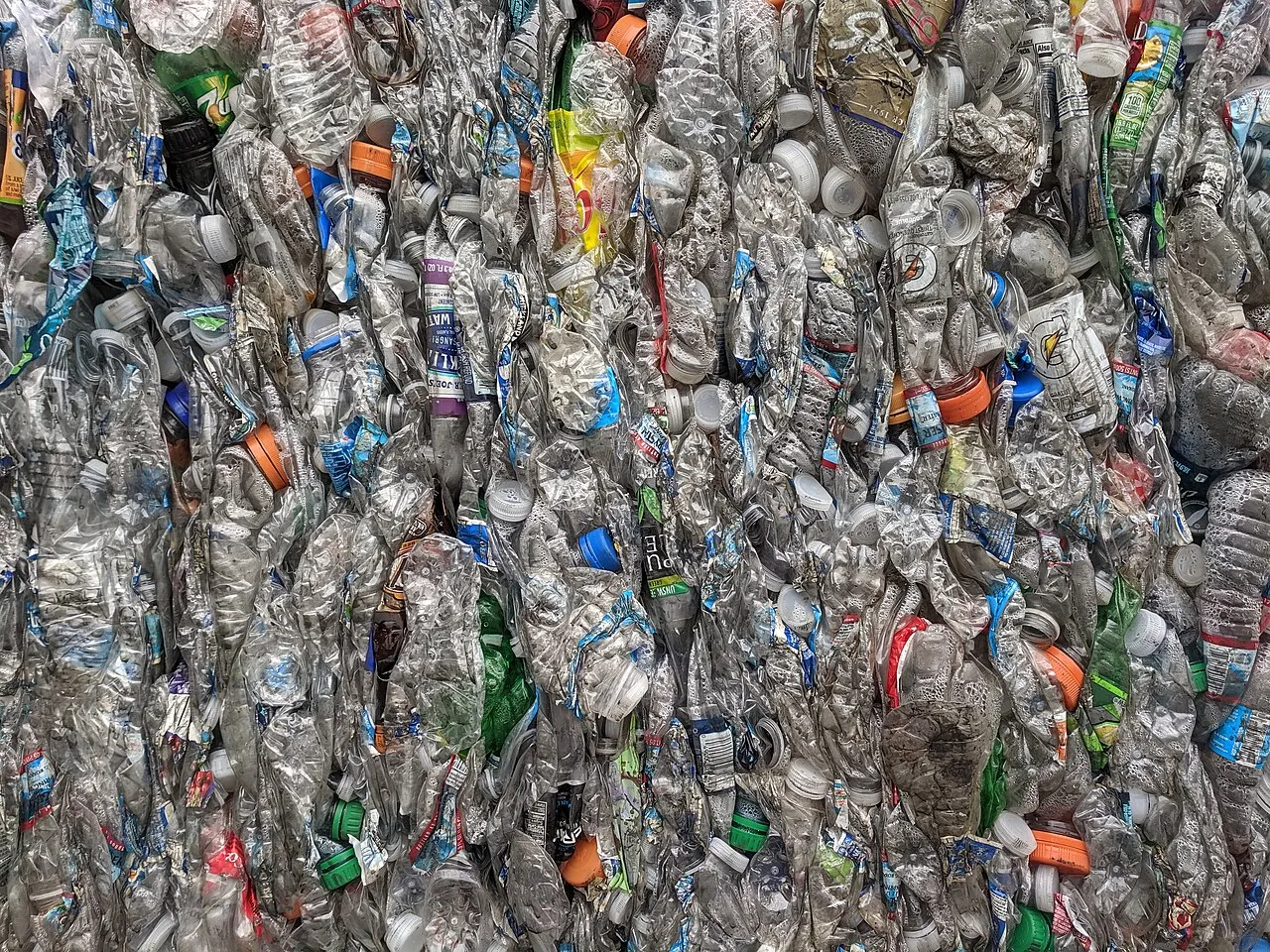
The finding is no longer surprising: examine bottled water closely enough and you find plastic — tiny fragments, fibres and particles shed from packaging, caps and the bottling process itself. A global survey of 15,000 people across 81 countries found that this knowledge, now widespread, has barely dented bottled water’s popularity. Our blog looks at the science behind the finding, and at the equally important science of what it does not yet mean.
Microplastics research is a young field working at the edge of what instruments can detect. Its results are real, its methods are improving rapidly, and its health conclusions remain — by the researchers’ own account — unfinished. Holding all three of those truths at once is the challenge for readers and regulators alike.
Detection is not the same as harm
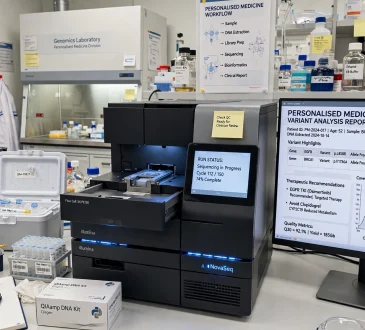
Modern instruments can count particles a fraction of the width of a hair, and counts in studies vary enormously with method: what size range is measured, how contamination from laboratory air and clothing is excluded, how results are expressed. Two honest studies can report very different numbers for similar water and both be ‘right’ within their methods. The World Health Organization’s drinking-water resources have urged standardisation precisely so that numbers become comparable.
Exposure, meanwhile, is only the first link in a chain. To establish harm, researchers must show that particles are absorbed, where they travel, what they do at realistic doses, and over what timescales. Each link is under active study, and none should be skipped because the first link makes a good headline.
The irony at the centre of the story
The deepest irony is positional: bottled water is marketed as purity’s refuge, including by drinkers avoiding tap water — yet the bottle itself is a source of the particles its buyers worry about. Studies have found particles in bottled water at levels often higher than in tap water, plausibly contributed by the packaging and the act of opening. Avoidance, in this case, can run in a circle.
That does not make the research an argument that all water is equal. It makes it an argument that the sealed bottle should lose its automatic reputation as the particle-free option. Whatever a drinker’s priorities, they are not served by a mental model in which plastic only exists on the other side of the choice.
Where the honest uncertainty lies
Scientists are candid about the gaps: the smallest particles — nanoplastics — are the hardest to count and potentially the most biologically active; long-term human evidence barely exists because the exposure itself is recent and universal, leaving no clean comparison group; and laboratory studies often use doses and particle types quite unlike everyday exposure.
Uncertainty of this kind cuts both ways rhetorically. It does not prove safety, and it does not prove danger. It proves that the research programme is mid-journey, and that confident claims in either direction should be discounted accordingly — a discipline our science coverage tries to apply consistently.
Deciding while the evidence matures
For individuals, proportionate responses exist that do not require resolving the science: where tap water is safe, it avoids the packaging source altogether; where bottled water is necessary, it remains a far better option than unsafe water, whatever its particle count. Microplastics are one consideration among several, and not the largest risk in most water decisions.
For regulators, the agenda is methodological — standard counts, honest labelling of uncertainty, and continued funding for the toxicology that headlines keep assuming is finished. The particles in every bottle are a fact. What they mean for a human lifetime is still being written, carefully, in laboratories rather than in slogans.
How to hold this story
Readers meeting this research for the first time often ask for a verdict, and the field’s honest verdict is a sentence with two clauses: the exposure is real and documented, and the health meaning is not yet known. Holding both clauses is not indecision — it is literacy. The science will keep moving, instruments will keep sharpening, and conclusions may firm up in either direction. Until they do, the bottle deserves neither its halo nor a hazard label, and anyone offering you certainty about it is selling something other than science.