Europa’s Cracked Ice Shell Records Tides From a Hidden Sea
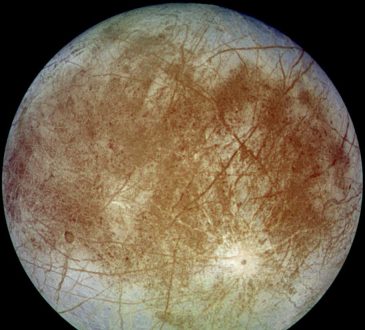
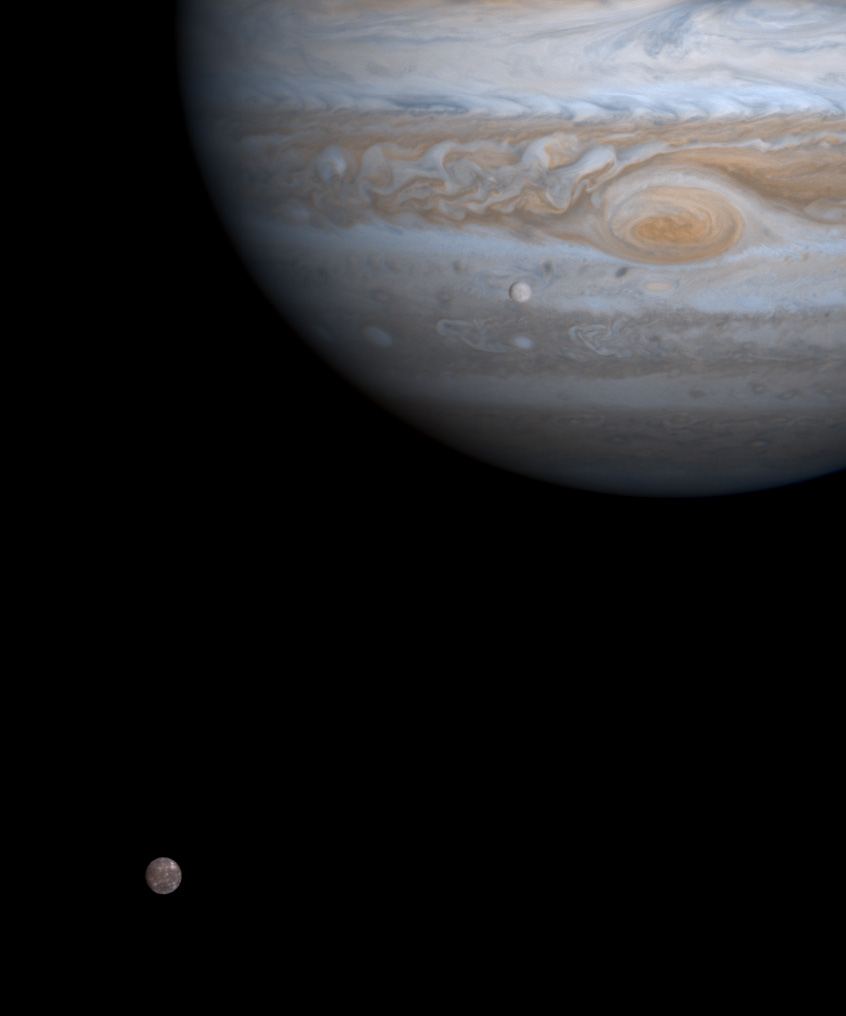
The surface of Jupiter’s moon Europa is a web of rust-coloured cracks crossing bright ice, and planetary scientists read those fractures as a diary of movement beneath. Europa orbits Jupiter in a slightly stretched path, so the giant planet’s gravity squeezes and releases the moon on every circuit. That flexing generates heat inside, enough, researchers believe, to keep a deep ocean liquid beneath the frozen shell. The same tides stress the ice itself, opening cracks that later shift, close and freeze again in new patterns. By mapping how fractures overlap, scientists can work out the order in which they formed and how the shell has rotated and strained over time. Some features suggest the ice shell moves partly independently from the interior, sliding slowly over the ocean below. Spacecraft images, radar concepts and laboratory experiments with salty ice all feed into models of how thick that shell might be and where it is thinnest. Those questions reach beyond geology. If material from the ocean occasionally reaches the surface through cracks, future missions might sample ocean chemistry without drilling, bringing one of the most promising places to search for life within practical reach.
What the Evidence Shows
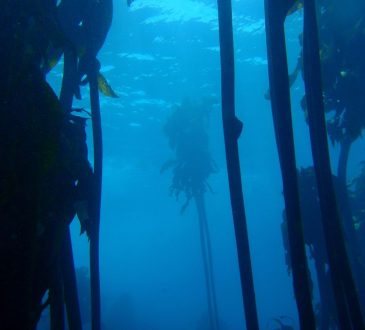
Upcoming missions are designed to test these ideas with instruments that can sense the ice and the space around Europa. Radar can probe for water pockets within the shell, magnetometers can detect the ocean’s response to Jupiter’s changing magnetic field, and cameras will map fractures at far finer detail than before. Each measurement narrows a different uncertainty, and combined they should reveal whether the shell is a thick, quiet lid or a thinner, actively renewing surface. Researchers are also studying how radiation from Jupiter batters the surface, creating oxidants that could, if carried downward, supply energy for chemistry in the dark ocean. That possible cycle, oxidants from above and minerals from a rocky seafloor below, is central to assessing habitability. Europa, however, operates at a far larger scale and under different conditions, so scientists are careful not to stretch the comparison too far. What the cracked shell already proves is an active world, still being reshaped by tides, and that activity alone makes Europa a compelling target for the next generation of exploration. Reporting and analysis from sources such as NASA track the same developments, and specialists following europa ice shell tides say the direction is now consistent across independent lines of evidence.
The Wider Context
Funding bodies are watching europa ice shell tides closely because the work sits at the junction of basic curiosity and practical return. Grant panels increasingly ask for a path from discovery to application, while researchers push back that the most valuable uses of fundamental science are rarely the ones written into the original proposal. The tension is productive when both sides stay honest about timescales.
What Happens Next
The long view on europa ice shell tides is that fields advance by accumulation rather than by single announcements. This result adds a solid, checkable piece to a structure many teams are building, and its authors have shared their data so the piece can be tested from every side. That is how the picture eventually becomes reliable enough to act on. You can follow related developments in our coverage of science.
It is also worth remembering how quickly the picture in this area has changed before. Positions that looked settled a few years ago have been revised as new data arrived, and the same humility is appropriate now. The strongest coverage of this subject, and the most useful advice, tends to come from sources that update their views openly when the facts move, rather than defending an earlier position long after it has stopped fitting the evidence available.