Kelp Forests Give Young Fish a Safer Start, Fisheries Gain
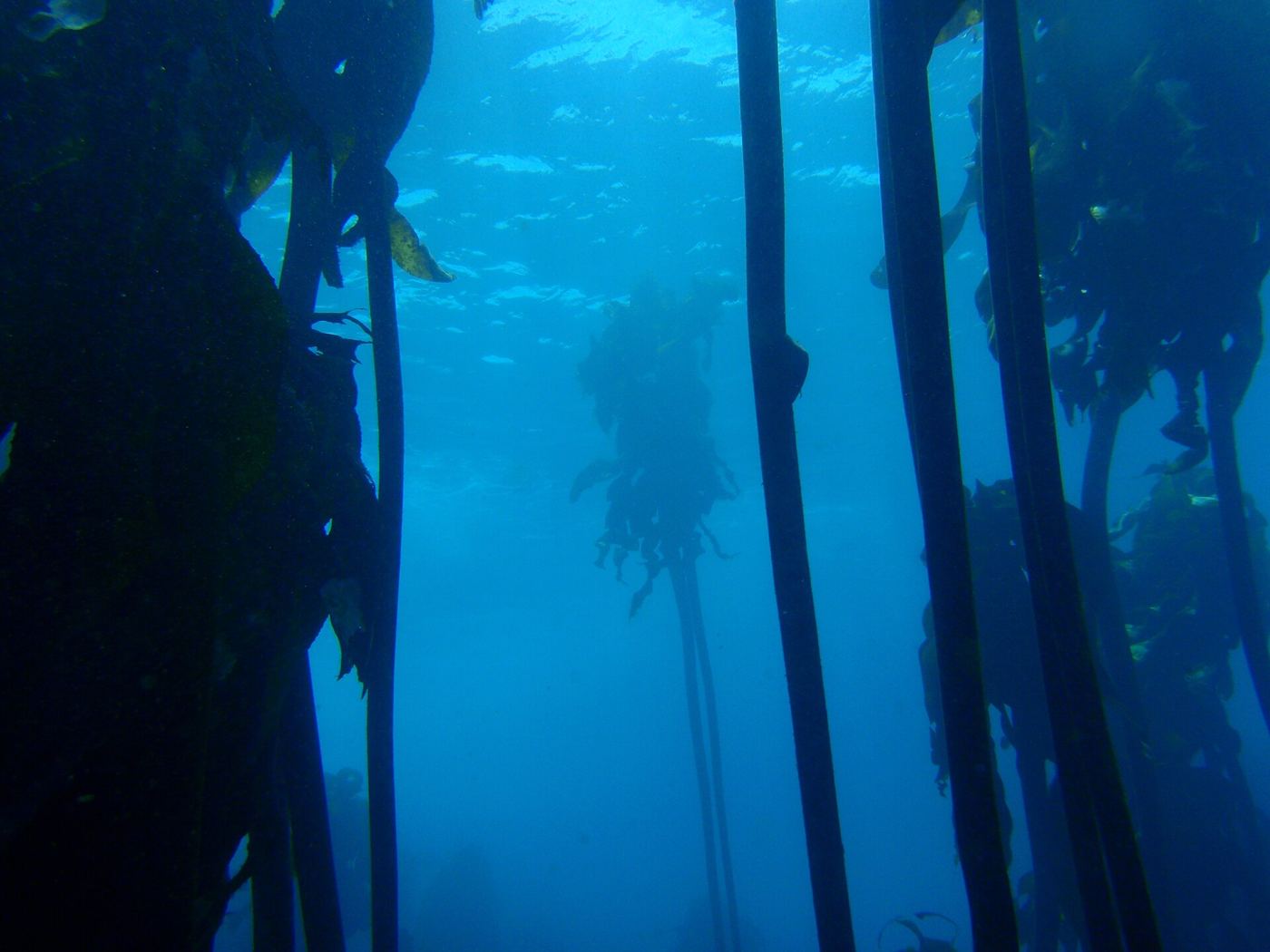
For many coastal fish, the first months of life are spent hiding, and kelp forests are among the best hiding places in the sea. Fisheries scientists studying nursery grounds note that dense kelp canopies slow predators, offer food in the form of small invertebrates, and provide shade and shelter for juvenile fish that later move offshore as adults. When kelp thins, those young fish are exposed in open water, and fewer survive to join commercial and recreational catches. The link helps explain why the health of nearshore forests matters well beyond the divers and kayakers who visit them, reaching into harbour economies miles away. That dependence makes kelp loss a fisheries issue as much as a conservation one, a connection coastal communities are beginning to plan around together.
What the Evidence Shows
Researchers are now tracing that connection more precisely, following young fish from kelp beds to adult grounds using tagging, surveys and catch records. The picture emerging is that kelp does not help every species equally: some rely on the forest itself, others on the rocky reefs beneath it, and many use a mosaic of kelp, seagrass and reef across a season. That complexity argues for protecting whole coastal habitats rather than single patches. Fisheries managers say kelp conservation is increasingly discussed alongside quotas and gear rules, because a fishery built on healthy nursery habitat is more resilient when weather, markets or stocks fluctuate from year to year. Protecting nurseries will not solve overfishing or warming seas, scientists add, but it strengthens one of the few foundations of a fishery that management can directly defend. Reporting and analysis from sources such as NASA track the same developments, and specialists following kelp forests as fish nurseries say the direction is now consistent across independent lines of evidence.
The Wider Context
Funding bodies are watching kelp forests as fish nurseries closely because the work sits at the junction of basic curiosity and practical return. Grant panels increasingly ask for a path from discovery to application, while researchers push back that the most valuable uses of fundamental science are rarely the ones written into the original proposal. The tension is productive when both sides stay honest about timescales.
What Happens Next
The long view on kelp forests as fish nurseries is that fields advance by accumulation rather than by single announcements. This result adds a solid, checkable piece to a structure many teams are building, and its authors have shared their data so the piece can be tested from every side. That is how the picture eventually becomes reliable enough to act on. You can follow related developments in our coverage of science.
It is also worth remembering how quickly the picture in this area has changed before. Positions that looked settled a few years ago have been revised as new data arrived, and the same humility is appropriate now. The strongest coverage of this subject, and the most useful advice, tends to come from sources that update their views openly when the facts move, rather than defending an earlier position long after it has stopped fitting the evidence available.