AI’s Power Bill Is Rewiring the Electricity Grid
For twenty years, electricity demand in the developed world did something utilities had never seen: nothing. Efficiency ate every increment of growth, and planners built careers on flat lines. That era is over. Artificial intelligence’s data centres are arriving as multi-hundred-megawatt customers — single campuses that can out-consume the cities that host them — and demand forecasts from the United States to Ireland are being revised upward at a pace that has grid planners reaching for metaphors involving cliffs.
The scale deserves concreteness. Training and running large AI models is computation at industrial intensity; the largest planned campuses measure their appetites in gigawatts, the output of a nuclear reactor. The International Energy Agency projects global data-centre electricity use roughly doubling within a few years, with AI the principal driver. Utilities that spent a decade closing power plants now compete to connect new ones, and interconnection queues — the waiting list for grid access — have become the industry’s most contested real estate, as our technology desk has reported.
Nuclear’s Unlikely Comeback, Gas’s Reprieve
The demand shock is scrambling energy politics. Technology companies have signed deals to restart a shuttered reactor at Three Mile Island, extended the lives of existing nuclear fleets, and bankrolled next-generation reactor designs — because firm, carbon-free power at data-centre scale is otherwise unobtainable. Simultaneously, and less comfortably for climate targets, utilities in several regions are building gas plants and delaying coal closures to meet load they cannot otherwise serve.
The honest tension: every megawatt an AI campus locks up is a megawatt the rest of the economy’s electrification — vehicles, heat pumps, industry — also wants. Whether AI’s arrival accelerates the clean build-out by financing it, or delays it by crowding the queue, depends on policy choices being made right now about who pays for grid upgrades and which projects jump the line.
Efficiency Is the Other Supply
There is a second lever, and it is algorithmic. AI’s energy per task has been falling steeply — through better chips, smarter model architectures, and techniques that route simple queries to small models. Data-centre design improves in parallel: liquid cooling, waste-heat reuse, and siting that follows renewable abundance. None of this yet outruns demand growth, but it bends the curve’s slope, which is where long-run forecasts are won and lost.
The Map Is Being Redrawn by Substations
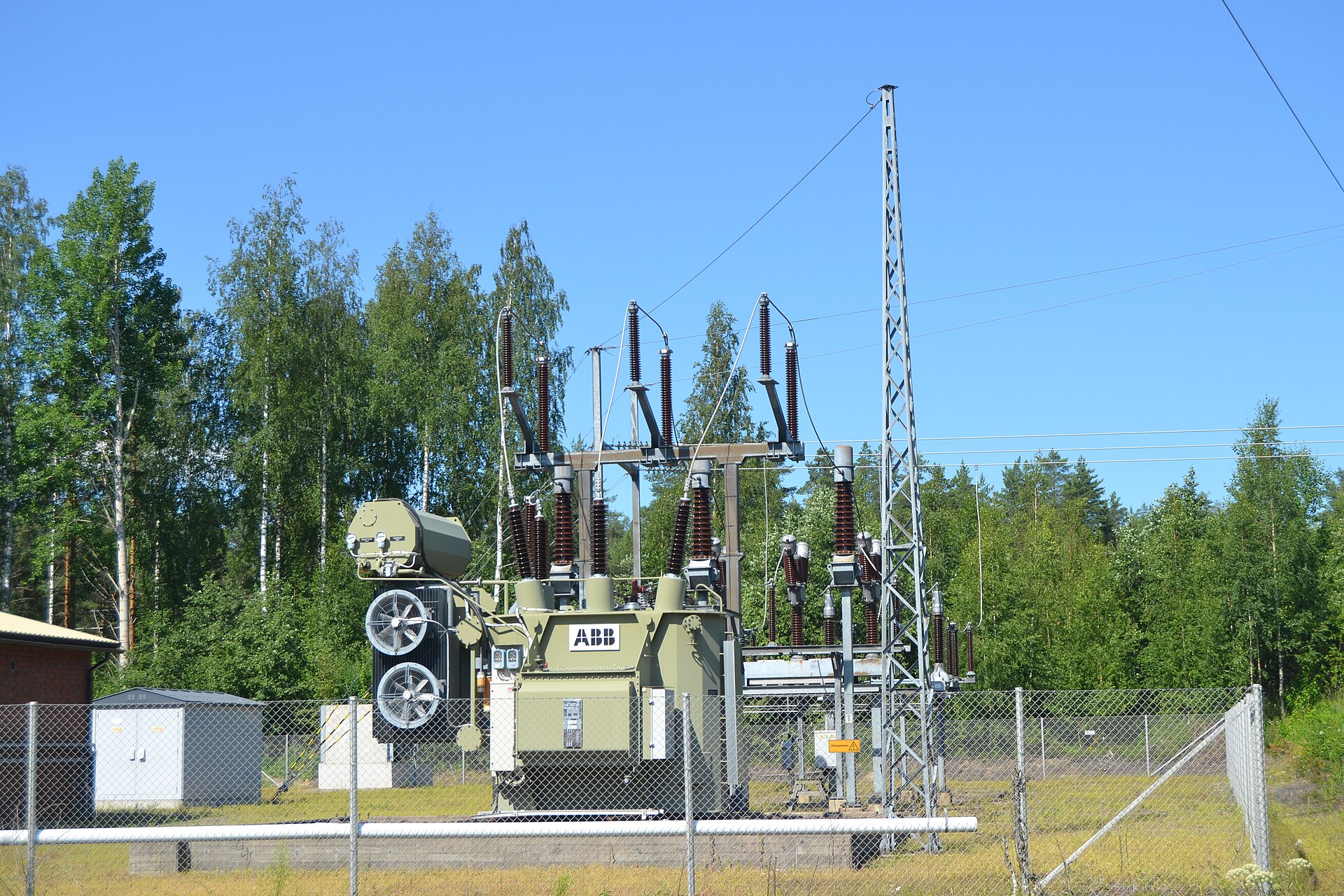
Geography has acquired a new logic. The industry’s first campuses clustered where fibre, land and tax policy met; the new map is drawn by available megawatts — beside underused nuclear plants, in regions with stranded renewable capacity, in the windy plains where generation waits for transmission. States and nations that can offer power quickly are winning campuses the way they once won car factories, and discovering the same hangover questions about incentives, timelines and who pays for the roads — here, the transmission lines — to the gate.
Communities have learned to negotiate accordingly: commitments to fund grid upgrades, to hire locally, to reuse waste heat, to report energy and water use in public. The data centre has become too large a neighbour to admit on a handshake. In the industry’s own telling, that is maturity. In the grid’s telling, it is simply load arriving with paperwork — which is how civilisation absorbs every industrial wave, eventually.
Grid operators quietly make another point: demand that can flex is far easier to serve than demand that cannot. Data centres that agree to throttle during peak hours, or to site themselves where power is stranded and cheap, may find their connection queues moving considerably faster.
What is certain is the inversion: electricity, the most boring input of the digital age, has become its binding constraint. The companies and countries that solve power will set the pace of AI itself. The grid, for a century the background of progress, is the story again. More at techkap.com.