Top Signs Your BMW AC Compressor Is Failing (And When to Replace It)
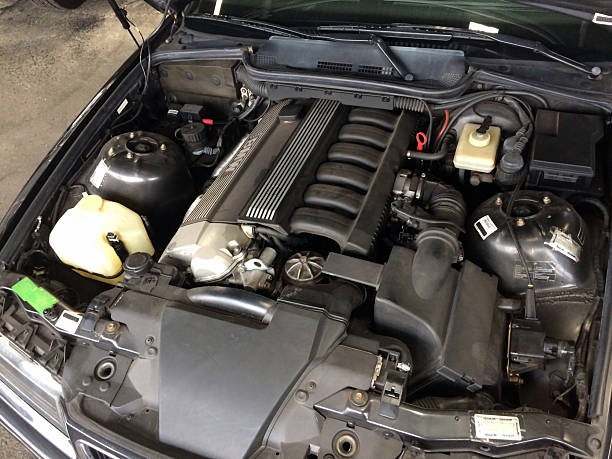
Your BMW is engineered for performance, comfort, and precision—and that includes its air conditioning system. At the heart of that system lies the BMW AC compressor, a critical component responsible for circulating refrigerant and ensuring your cabin stays cool even in extreme heat. When your BMW air conditioner compressor begins to fail, it doesn’t just affect comfort—it can lead to more expensive repairs if ignored.
Understanding the early warning signs of a failing compressor can help you act quickly, avoid breakdowns, and save money. In this guide, we’ll walk you through the most common symptoms, what causes compressor failure, and when it’s time to replace your unit.
What Does a BMW AC Compressor Do?
Before diving into the warning signs, it’s important to understand the role of the BMW air conditioner compressor. This component pressurizes and circulates refrigerant through the AC system, enabling heat exchange and cooling.
Without a properly functioning BMW AC compressor, your air conditioning system cannot cool the air effectively—no matter how well other components are working.
Top Signs Your BMW AC Compressor Is Failing
1. Warm Air Instead of Cold Air
One of the earliest and most noticeable signs of a failing BMW AC compressor is warm or mildly cool air blowing from your vents.
What’s happening?
The compressor is no longer efficiently pressurizing refrigerant, which means the cooling cycle breaks down.
What to check:
- Is the air completely warm or just less cold than usual?
- Does cooling improve while driving but worsen at idle?
If your BMW air conditioner compressor is starting to fail, the cooling performance will gradually decline rather than stop suddenly.
2. Strange Noises from the Engine Bay
Unusual sounds when the AC is turned on are a strong indicator of compressor trouble.
Common noises include:
- Grinding
- Squealing
- Rattling
- Clicking
These noises often point to internal wear or bearing failure inside the BMW AC compressor.
Important:
Ignoring these sounds can lead to complete compressor seizure, which may damage other AC components like the serpentine belt.
3. AC Clutch Not Engaging
The AC compressor clutch engages and disengages the compressor as needed. If the clutch fails, the compressor won’t activate.
Signs of clutch failure:
- AC doesn’t turn on at all
- No clicking sound when AC is activated
- Compressor pulley spins, but the clutch doesn’t engage
A faulty clutch can sometimes be repaired separately, but in many cases, replacing the entire BMW air conditioner compressor is more cost-effective.
4. Refrigerant Leaks
Leaks are a major cause of compressor failure and often go unnoticed until cooling performance drops.
Where leaks occur:
- Compressor seals
- Hose connections
- Internal compressor components
Low refrigerant levels force the BMW AC compressor to work harder, increasing wear and eventually causing failure.
Tip:
If you’re frequently recharging your AC system, there’s likely a leak that needs attention.
5. Intermittent Cooling
Does your AC sometimes work perfectly and other times blow warm air?
This inconsistency is often a sign of:
- A failing compressor
- Electrical issues affecting compressor operation
- Internal pressure inconsistencies
An unreliable BMW air conditioner compressor is usually nearing the end of its lifespan.
6. Burning Smell While AC Is Running
A burning or rubber-like smell when the AC is on could indicate:
- Overheating compressor components
- Electrical issues within the clutch
- Belt slipping due to compressor resistance
This is a serious warning sign. Continuing to run your AC in this condition can cause further damage.
7. Visible Damage or Corrosion
If you or your mechanic inspect the compressor and notice:
- Oil residue (indicating leaks)
- Rust or corrosion
- Physical damage
…it’s a clear sign your BMW AC compressor may need replacement.
What Causes BMW AC Compressor Failure?
Understanding the root causes can help you prevent future issues.
1. Lack of Lubrication
The compressor relies on oil mixed with refrigerant. Low refrigerant = low lubrication = increased wear.
2. Contamination
Debris or moisture in the system can damage internal components.
3. Electrical Failures
Faulty wiring, sensors, or relays can prevent proper compressor function.
4. Wear and Tear
Over time, even a high-quality BMW air conditioner compressor will wear out—especially in hot climates or heavy usage conditions.
When Should You Replace Your BMW AC Compressor?
Not every issue requires immediate replacement, but here are clear situations where replacement is the best option:
Replace Immediately If:
- The compressor has seized
- There’s loud grinding noise
- Metal debris is found in the system
- The clutch and internal components have failed together
Consider Replacement If:
- Repairs are approaching the cost of a new unit
- The compressor is over 8–10 years old
- Cooling performance is consistently poor
Cost-Saving Preventive Tips
Replacing a BMW AC compressor can be expensive, so prevention is key.
1. Run Your AC Regularly
Even in winter, run your AC occasionally to keep seals lubricated.
2. Fix Leaks Early
Small refrigerant leaks can quickly escalate into major compressor damage.
3. Use Quality Replacement Parts
Cheap components can lead to repeated failures. Investing in a reliable BMW air conditioner compressor saves money long-term.
4. Replace Related Components
When replacing the compressor, consider:
- Receiver/drier
- Expansion valve
- System flush
This prevents contamination from damaging your new compressor.
Repair vs Replacement: What’s Better?
Many BMW owners ask whether they should repair or replace their compressor.
Repair May Be Enough If:
- Only the clutch is faulty
- The issue is electrical
- The compressor is relatively new
Replacement Is Better If:
- Internal damage is confirmed
- There are multiple failure symptoms
- The system is contaminated
In most cases, a full replacement of the BMW AC compressor ensures reliability and long-term performance.
Choosing the Right Replacement Compressor
If you’ve decided to replace your unit, selecting the correct BMW air conditioner compressor is crucial.
Key considerations:
- BMW model and engine type
- OEM vs aftermarket options
- Compatibility with your vehicle’s year
- Warranty coverage
Always double-check part numbers to avoid fitment issues.
Final Thoughts
Your BMW AC compressor plays a vital role in keeping your driving experience comfortable. Ignoring early warning signs like warm air, strange noises, or clutch failure can lead to costly repairs down the line.
By recognizing the symptoms early and taking preventive action, you can extend the life of your BMW air conditioner compressor and avoid unexpected breakdowns.
If your AC system isn’t performing as it should, don’t wait—diagnose the issue and take action before it worsens. A timely replacement can restore your BMW’s cooling performance and ensure comfort on every drive.