Power Augmentation in Gas Turbines: Balancing Output Gains with Output Temperature Increases
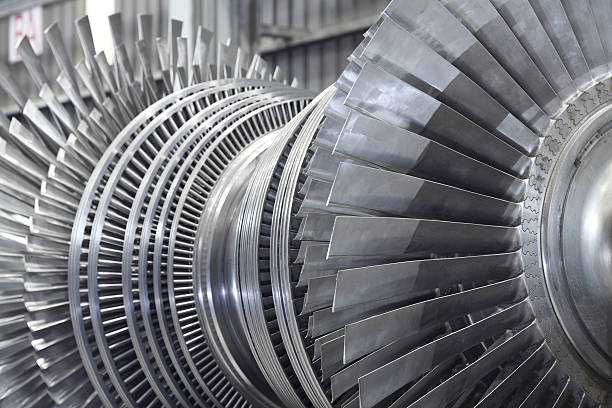
Gas turbines are widely used across power generation, oil and gas, and industrial applications due to their efficiency, flexibility, and relatively compact footprint. However, their performance is highly sensitive to ambient conditions, particularly air temperature. As demand for higher output and improved efficiency continues to grow, operators increasingly turn to power augmentation techniques to extract additional capacity from existing assets. While these methods can significantly enhance performance, they also introduce challenges—most notably output temperature increases that must be carefully managed to avoid operational and mechanical risks.
Power augmentation refers to a range of technologies and techniques designed to increase the power output of a gas turbine without fundamentally altering its core design. Most of these methods focus on improving the density of the air entering the compressor, as denser air contains more oxygen, allowing for more efficient combustion and higher power generation. However, increasing mass flow and combustion intensity can lead to elevated exhaust and component temperatures, which, if not properly controlled, may compromise reliability and lifespan.
Understanding the Role of Air Density in Power Output
Gas turbines operate on the Brayton cycle, where ambient air is compressed, mixed with fuel, combusted, and expanded through a turbine to produce work. The amount of power generated depends largely on the mass flow rate of air entering the compressor. Cooler air is denser, meaning more mass enters the system for the same volume, resulting in greater output.
In hot climates or during peak summer conditions, air density drops significantly, reducing turbine output—sometimes by as much as 15–20%. Power augmentation systems are designed to counteract this effect by artificially cooling the inlet air or increasing its mass flow. While the immediate benefit is increased power, the downstream effect often includes output temperature increases due to higher combustion energy and altered thermodynamic conditions.
Key Power Augmentation Methods
Several established techniques are used in the industry to enhance gas turbine performance. Each comes with its own advantages, limitations, and impact on temperature profiles.
1. Inlet Air Fogging
Fogging systems introduce a fine mist of demineralized water into the inlet air stream. As the water droplets evaporate, they absorb heat from the air, reducing its temperature and increasing its density. This method is relatively simple and cost-effective, making it a popular choice for many operators.
Fogging can also provide a slight intercooling effect within the compressor if droplets continue to evaporate during compression. However, this can lead to localized cooling variations and changes in compressor dynamics. From a temperature standpoint, while the inlet air temperature decreases, the increased mass flow and combustion intensity can result in output temperature increases, especially under high-load conditions.
2. Evaporative Cooling Systems
Evaporative coolers use wetted media to cool incoming air through evaporation. Air passes through pads saturated with water, lowering its temperature before entering the compressor. This method is effective in dry climates where evaporation rates are high.
Although evaporative cooling reduces inlet temperature, its effectiveness is limited by ambient humidity. As with fogging, the increased air density leads to higher fuel input and combustion energy, which can contribute to output temperature increases if not balanced with appropriate control strategies.
3. Inlet Chilling
Inlet chilling systems use mechanical refrigeration or absorption chillers to cool the intake air to temperatures significantly below ambient levels. Unlike evaporative methods, chilling is not limited by humidity and can provide consistent performance improvements regardless of weather conditions.
This method offers one of the highest gains in power augmentation but also introduces more pronounced thermal effects. The substantial increase in air density leads to higher firing rates and energy release in the combustor. As a result, output temperature increases can be more significant, requiring careful monitoring and advanced control systems to maintain safe operating limits.
4. Wet Compression
Wet compression involves injecting water directly into the compressor stages. The evaporation of water within the compressor reduces the work required for compression and increases mass flow. This technique can provide notable efficiency and output gains.
However, wet compression alters the thermodynamic path within the compressor and can lead to uneven temperature distributions. It also increases the likelihood of output temperature increases due to enhanced combustion energy. Additionally, improper implementation may result in blade erosion or fouling.
5. Turbine Overfiring
Overfiring increases the firing temperature of the turbine beyond its nominal design limits to generate additional power. This method directly boosts output but significantly raises thermal stress on components.
While overfiring can be effective for short-term demand spikes, it is closely associated with output temperature increases and accelerated wear of hot gas path components. It requires robust materials, advanced cooling techniques, and strict operational controls to avoid long-term damage.
The Impact of Output Temperature Increases
As power augmentation methods increase the mass flow and energy input into the turbine, they often lead to higher exhaust gas temperatures and elevated temperatures within critical components such as blades, vanes, and combustors. These output temperature increases can have several implications.
First, higher temperatures accelerate material degradation. Turbine components are typically made from advanced alloys and coated with thermal barrier materials, but prolonged exposure to elevated temperatures can reduce their lifespan. Creep, oxidation, and thermal fatigue become more pronounced under such conditions.
Second, output temperature increases can affect downstream equipment, particularly in combined cycle plants. Heat recovery steam generators (HRSGs) rely on specific temperature ranges for optimal operation. Deviations can impact efficiency and potentially lead to thermal stress in piping and heat exchange surfaces.
Third, emissions may be affected. Higher combustion temperatures can increase nitrogen oxide (NOx) formation, which is subject to strict environmental regulations. Operators must balance the desire for higher output with compliance requirements.
Risk Mitigation Strategies
To safely implement power augmentation while managing output temperature increases, operators must adopt a comprehensive approach that combines technology, monitoring, and operational discipline.
Advanced control systems play a crucial role. Modern turbines are equipped with sensors and control algorithms that continuously monitor temperature, pressure, and flow conditions. These systems can adjust fuel input, airflow, and cooling parameters in real time to maintain safe operating limits.
Material upgrades and coatings are also essential. Thermal barrier coatings and improved alloy compositions can enhance resistance to high temperatures, allowing components to withstand the effects of output temperature increases. Regular inspection and maintenance ensure that these protective measures remain effective.
Another important strategy is the use of inlet and exhaust temperature limits. Operators can define thresholds beyond which augmentation systems are curtailed or adjusted. This prevents excessive thermal loading and protects critical components.
Water quality management is particularly important for fogging and wet compression systems. Poor water quality can lead to deposits and corrosion, exacerbating the effects of high temperatures. Using demineralized water and maintaining filtration systems helps mitigate these risks.
Operational Best Practices
Effective operation of power augmentation systems requires a balance between performance gains and equipment integrity. Operators should adopt best practices that prioritize both objectives.
Load management is key. Instead of operating continuously at maximum augmented capacity, turbines can be run at optimized load levels that deliver incremental gains without pushing temperature limits. This approach extends component life while still benefiting from augmentation.
Seasonal and environmental considerations should also guide operation. For example, evaporative cooling may be most effective during dry, hot periods, while inlet chilling can be reserved for peak demand scenarios. Tailoring the augmentation strategy to prevailing conditions minimizes unnecessary thermal stress.
Routine performance analysis helps identify trends and potential issues. By tracking parameters such as exhaust temperature, heat rate, and component wear, operators can make informed decisions about when and how to apply augmentation.
Training and awareness are equally important. Personnel must understand the interactions between augmentation methods and turbine thermodynamics. This ensures that systems are used correctly and that potential risks associated with output temperature increases are recognized early.
Conclusion
Power augmentation offers a compelling opportunity to enhance the performance of gas turbines, particularly in environments where ambient conditions limit output. Techniques such as fogging, evaporative cooling, inlet chilling, wet compression, and overfiring can significantly increase power generation by improving air density and combustion efficiency.
However, these benefits come with the challenge of managing output temperature increases. Elevated temperatures can impact component life, emissions, and downstream systems, making it essential to implement robust control and mitigation strategies. By combining advanced technology, high-quality materials, and disciplined operational practices, operators can achieve a balanced approach that maximizes output while preserving reliability and longevity.
Ultimately, successful power augmentation is not just about increasing capacity—it is about doing so in a way that maintains the integrity and efficiency of the entire system.