Tidy Cabling Becomes a Serious Upgrade for Busy Office Networks
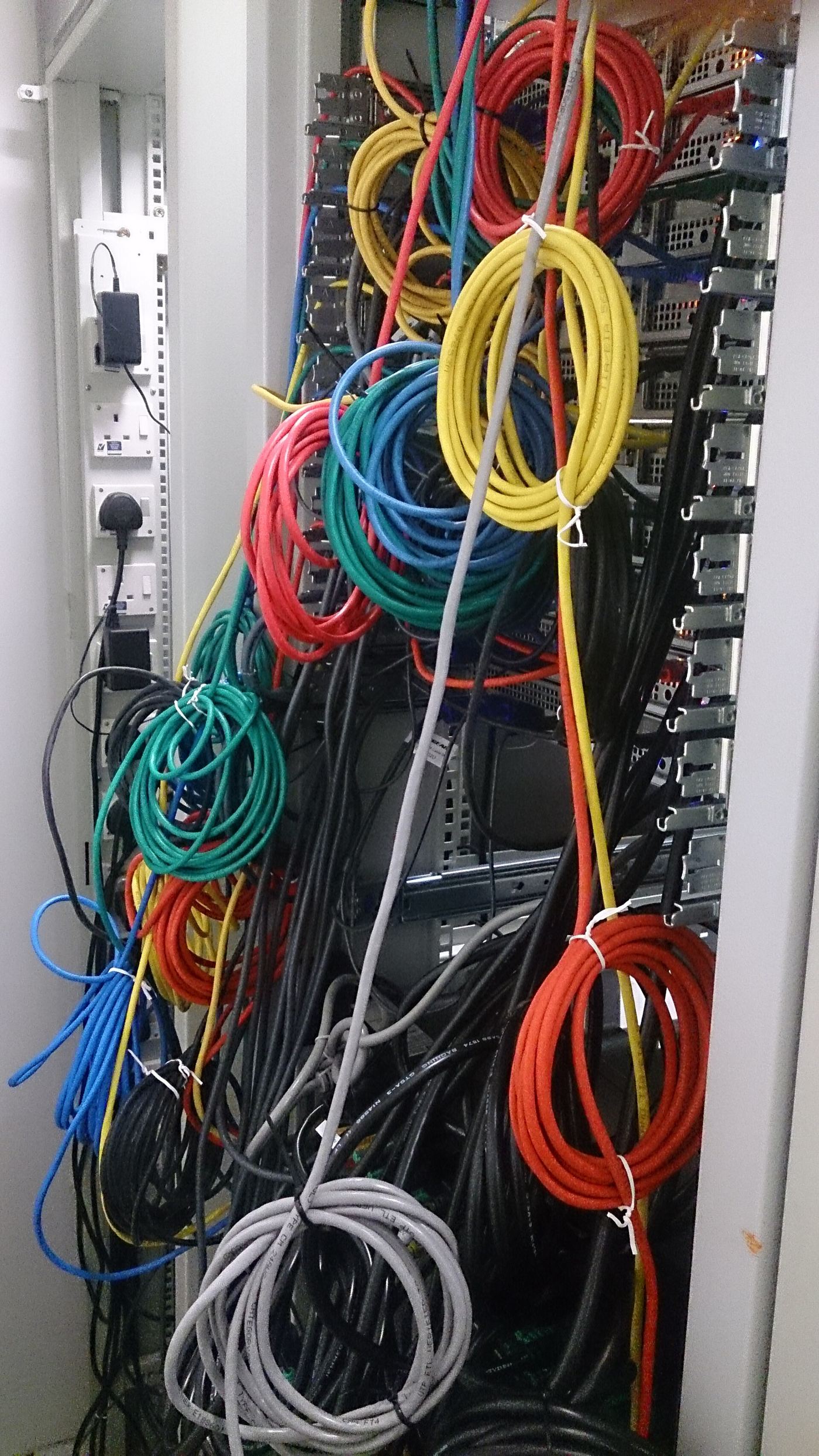
Behind every reliable office network is a cabinet that somebody took the time to organise properly. Rows of colour-coded cables, each labelled at both ends, may look like a minor detail, but network engineers insist this tidiness is what keeps a busy workplace running. When a connection fails, a labelled cable can be traced in minutes instead of hours. Neat cabling also improves airflow around switches and servers, helping equipment stay cool and last longer. As offices add video meeting rooms, wireless access points and smart building systems, the humble network cabinet has quietly become one of the most important cupboards in the building. Visitors rarely see this work, because the cabinets usually sit in locked rooms, yet its effects reach every desk. A finance team closing the month, a classroom joining a video lesson and a warehouse scanning deliveries all depend on the same orderly backbone.
What the Evidence Shows
Upgrading cabling is rarely glamorous, yet it often delivers the improvements staff actually feel. Faster cable standards support the growing number of devices sharing each connection, from laptops and phones to security cameras and printers. Engineers plan spare capacity into every cabinet, leaving room for new desks and equipment without another disruptive refit. Documentation matters as much as the physical work, with diagrams showing exactly where each cable begins and ends. Teams that keep those records current find faults faster and plan changes with confidence. In a workplace that depends on connectivity for almost everything, that quiet reliability is worth far more than it costs. The tidiness also helps with security and energy use. Unused connections can be switched off rather than left live, and abandoned cables are removed instead of confusing the next engineer who opens the cabinet. When auditors ask how the network is built, a well-kept cabinet answers most of the question at a glance. Reporting and analysis from sources such as MIT Technology Review track the same developments, and specialists following office network cabling say the direction is now consistent across independent lines of evidence.
The Wider Context
The wider context is an industry learning to ship capability and restraint together. Products built around office network cabling now launch with safety evaluations, usage data and rollback plans as standard, because enterprise buyers and regulators ask for them in the first meeting. Companies that treated those questions as friction are discovering they have become the purchase criteria.
What Happens Next
What happens next for office network cabling depends less on another breakthrough than on the unglamorous work of reliability, pricing and support. The buyers evaluating it now are not enthusiasts; they are operators with budgets and auditors, and their checklists will decide the timeline. On the evidence of the current pilots, the technology has earned the right to be judged by them. You can follow related developments in our coverage of technology.
There is a practical lesson in all of this for readers deciding what to do today. Start with the verified facts, be wary of anyone promising certainty, and prefer reversible steps while the evidence is still developing. Circumstances differ by country, income and personal situation, so general guidance should always be weighed against your own context before you act on it in any significant or lasting way.