BrainChip Unveils Sequora to Run Generative AI on Battery-Powered Devices
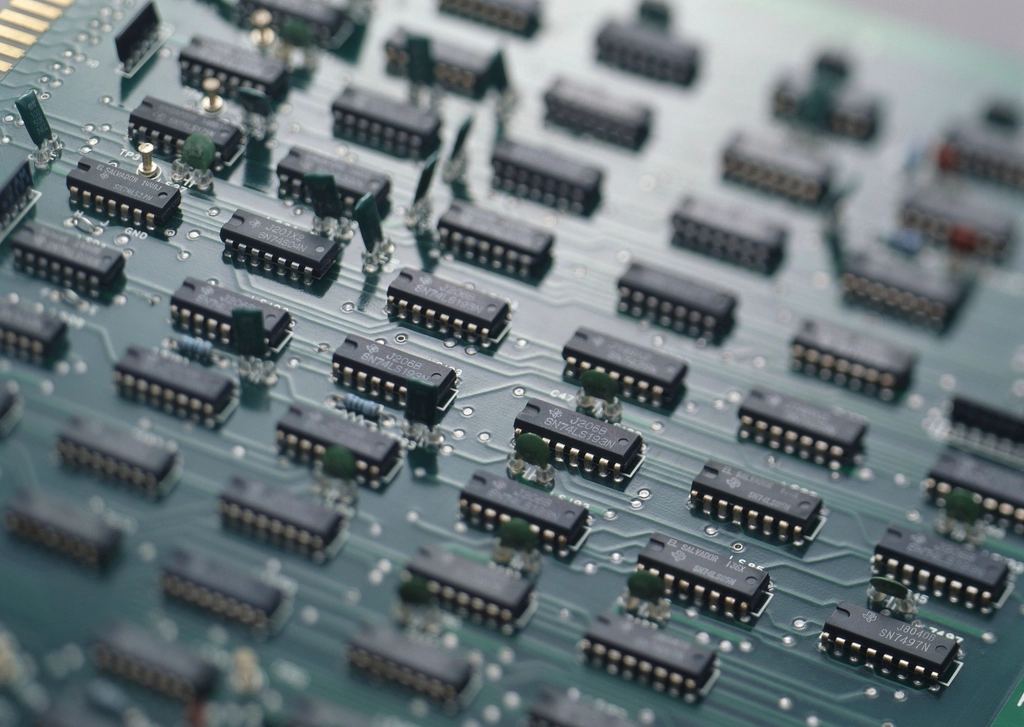
BrainChip has announced Sequora, a new processor technology designed to let generative AI models, including large language models, run efficiently on battery-powered edge devices. The launch was announced on 25 November 2026 and extends the company’s Akida platform, which is built for on-device intelligence rather than cloud data centres. Sequora is aimed at devices that need AI without a constant internet connection or a large power supply, from wearables to industrial sensors. Running models locally matters because it cuts delays, keeps data on the device and lets products work where connectivity is weak or absent. The company says the technology brings generative AI to a class of small devices that previously could only run much simpler models.
What the Evidence Shows
On-device AI is one of the fastest-growing corners of the chip industry, as makers try to put language models into phones, earbuds, cameras and factory equipment without draining batteries or sending data to the cloud. BrainChip’s Akida platform has long focused on neuromorphic computing, which mimics how brains process information to save power. Sequora builds on that approach for the newer generation of generative models, which are far larger and more demanding. If the technology works as promised, it could open a market of small, cheap devices that answer questions and understand speech without ever reaching a server. That would also ease privacy worries for users who prefer their data to stay in their own hands. Reporting and analysis from sources such as MIT Technology Review track the same developments, and specialists following the BrainChip Sequora launch say the direction is now consistent across independent lines of evidence.
The Wider Context
The wider context is an industry learning to ship capability and restraint together. Products built around the BrainChip Sequora launch now launch with safety evaluations, usage data and rollback plans as standard, because enterprise buyers and regulators ask for them in the first meeting. Companies that treated those questions as friction are discovering they have become the purchase criteria.
What Happens Next
What happens next for the BrainChip Sequora launch depends less on another breakthrough than on the unglamorous work of reliability, pricing and support. The buyers evaluating it now are not enthusiasts; they are operators with budgets and auditors, and their checklists will decide the timeline. On the evidence of the current pilots, the technology has earned the right to be judged by them. You can follow related developments in our coverage of technology.
There is a practical lesson in all of this for readers deciding what to do today. Start with the verified facts, be wary of anyone promising certainty, and prefer reversible steps while the evidence is still developing. Circumstances differ by country, income and personal situation, so general guidance should always be weighed against your own context before you act on it in any significant or lasting way.