Why Grounding a Transformer Is Essential for Safety and System Stability
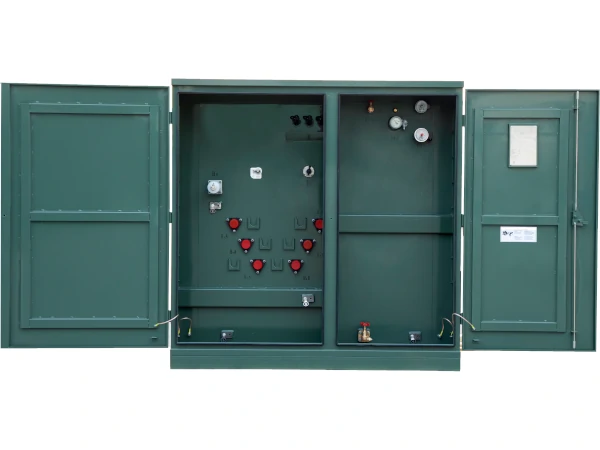
Electrical power systems are designed to deliver energy safely, efficiently, and reliably. One of the most critical yet often underestimated aspects of system design is grounding a transformer. Without proper grounding, even a well-designed electrical network can become unstable, unsafe, and vulnerable to severe damage.
This article explores the importance of transformer grounding, the risks associated with ungrounded systems, and how a properly implemented ground transformer enhances safety, protects equipment, and ensures long-term system stability.
Understanding Transformer Grounding
Transformer grounding refers to the process of connecting a transformer’s neutral point or system to the earth. This connection establishes a reference point for voltage levels and provides a controlled path for fault currents to flow during abnormal conditions.
In many systems—especially delta-connected systems—there is no natural neutral point. In such cases, a ground transformer is used to create an artificial neutral, enabling proper grounding and safe operation.
Grounding is not just a technical detail; it is a foundational requirement for maintaining system integrity and protecting both people and equipment.
The Risks of Ungrounded Systems
Operating an electrical system without proper grounding introduces several serious risks. These risks often remain hidden until a fault occurs, at which point the consequences can be severe.
1. Transient Overvoltages
One of the most dangerous issues in ungrounded systems is transient overvoltage. When a ground fault occurs, the voltage in the unaffected phases can rise significantly above normal levels.
This phenomenon can:
- Damage insulation in cables and equipment
- Shorten the lifespan of electrical components
- Lead to catastrophic failures
Without proper grounding a transformer, there is no stable reference point to control these voltage spikes.
2. Difficulty in Fault Detection
In ungrounded systems, ground faults may not produce sufficient current to trigger protective devices such as relays or circuit breakers. As a result:
- Faults can go undetected for extended periods
- Minor issues can escalate into major failures
- Maintenance teams may struggle to locate the problem
Effective transformer grounding ensures that fault currents are detectable and that protective systems operate as intended.
3. Increased Risk of Equipment Damage
Electrical equipment is highly sensitive to voltage fluctuations and fault conditions. Without grounding:
- Motors may overheat or fail
- Transformers can experience insulation breakdown
- Sensitive electronics may be permanently damaged
A properly installed ground transformer helps limit these risks by stabilizing voltage and controlling fault currents.
4. Safety Hazards for Personnel
Ungrounded systems pose significant safety risks, including:
- Electric shock hazards
- Arc flash incidents
- Fire risks due to uncontrolled fault currents
Grounding a transformer ensures that fault currents are safely directed to earth, reducing the likelihood of dangerous situations.
5. System Instability
Voltage imbalance and lack of a reference point can lead to unstable system behavior. This instability can affect:
- Power quality
- Equipment performance
- Overall system reliability
Transformer grounding provides the stability needed for consistent and predictable operation.
How Grounding a Transformer Solves These Problems
Proper grounding a transformer addresses the risks of ungrounded systems by introducing a controlled and predictable path for electrical faults.
Establishing a Voltage Reference
Grounding creates a stable reference point for the system voltage. This ensures that all phases operate within safe limits and prevents excessive voltage buildup during faults.
Providing a Path for Fault Currents
A grounded system allows fault currents to flow to earth through a controlled path. This flow enables:
- Quick detection of faults
- Activation of protective devices
- Isolation of faulty sections
Without this path, fault conditions can persist and worsen over time.
Limiting Transient Overvoltages
Grounding helps suppress transient overvoltages by stabilizing the system during disturbances. This protects insulation and reduces the likelihood of equipment failure.
Enhancing Protective System Performance
Protective relays and circuit breakers rely on measurable fault currents to operate. Transformer grounding ensures that these currents are present and detectable, allowing for rapid response to abnormal conditions.
Improving Safety
By directing fault currents safely to the ground, grounding significantly reduces the risk of electric shock and fire hazards. This makes the system safer for operators, maintenance personnel, and nearby infrastructure.
Role of a Ground Transformer in System Protection
In systems where a natural neutral is not available, a ground transformer becomes essential.
Creating an Artificial Neutral
A ground transformer provides a neutral point in delta or ungrounded systems. This neutral can then be connected to earth, enabling effective grounding.
Supporting Fault Current Flow
During a ground fault, the ground transformer allows zero-sequence currents to flow, ensuring that the fault is detectable and manageable.
Enabling Flexible Grounding Methods
Ground transformers can be used with different grounding techniques, such as:
- Resistance grounding
- Reactance grounding
- Solid grounding
This flexibility allows engineers to design systems that balance safety, performance, and cost.
Common Transformer Grounding Methods
Different grounding methods are used depending on system requirements and operational goals.
Solid Grounding
In solid grounding, the neutral is directly connected to earth. This method allows high fault currents, ensuring rapid operation of protective devices.
Resistance Grounding
Resistance grounding uses a resistor between the neutral and ground to limit fault current. This approach:
- Reduces equipment damage
- Maintains fault detection capability
- Minimizes arc flash risk
Reactance Grounding
Reactance grounding uses an inductor to limit fault current. It is less common but useful in specific applications where current control is required.
Grounding Through a Ground Transformer
When no neutral exists, a ground transformer is used to introduce a grounding point. This method is widely used in industrial and utility systems.
Industry Standards and Compliance
Proper transformer grounding is not optional; it is required by electrical standards and regulations.
Compliance Requirements
Electrical systems must adhere to standards that define grounding practices, including:
- Equipment grounding requirements
- Fault current limits
- Safety protocols
Failure to comply can result in:
- Regulatory penalties
- Increased liability
- Unsafe operating conditions
Best Practices
To ensure effective grounding, industry best practices include:
- Designing grounding systems based on system configuration
- Using appropriate grounding methods for fault current control
- Regularly inspecting and maintaining grounding connections
- Testing protective devices to ensure proper operation
- Selecting the right ground transformer for the application
These practices help maintain system safety and reliability over time.
Applications Where Grounding Is Critical
Grounding a transformer is essential in a wide range of applications:
Industrial Facilities
Factories with heavy machinery require stable and safe power systems. Grounding prevents equipment damage and ensures worker safety.
Utility Substations
Substations rely on proper grounding to manage high voltages and maintain system reliability.
Renewable Energy Systems
Solar and wind installations often operate with inverter-based systems that require grounding for voltage stability and fault protection.
Commercial Buildings
Offices, hospitals, and data centers depend on uninterrupted power. Grounding minimizes the risk of outages and equipment failure.
Oil, Gas, and Mining Operations
These environments demand high safety standards. Grounding reduces the risk of electrical hazards in challenging conditions.
Long-Term Benefits of Transformer Grounding
Investing in proper grounding provides long-term advantages:
- Reduced maintenance costs due to fewer equipment failures
- Improved system lifespan through controlled operating conditions
- Enhanced safety for personnel and infrastructure
- Greater reliability and uptime
- Compliance with regulatory standards
These benefits make grounding a critical component of any electrical system.
Conclusion
Grounding a transformer is a fundamental requirement for ensuring electrical safety and system stability. Without proper transformer grounding, power systems are exposed to risks such as transient overvoltages, equipment damage, undetected faults, and serious safety hazards.
A well-designed grounding system, often supported by a ground transformer, provides a controlled path for fault currents, stabilizes voltage levels, and enables protective devices to function effectively. By addressing the challenges of ungrounded systems, grounding ensures reliable and safe operation across industrial, commercial, and utility applications.
In modern power systems, grounding is not just a precaution—it is an essential practice that underpins the entire electrical infrastructure.