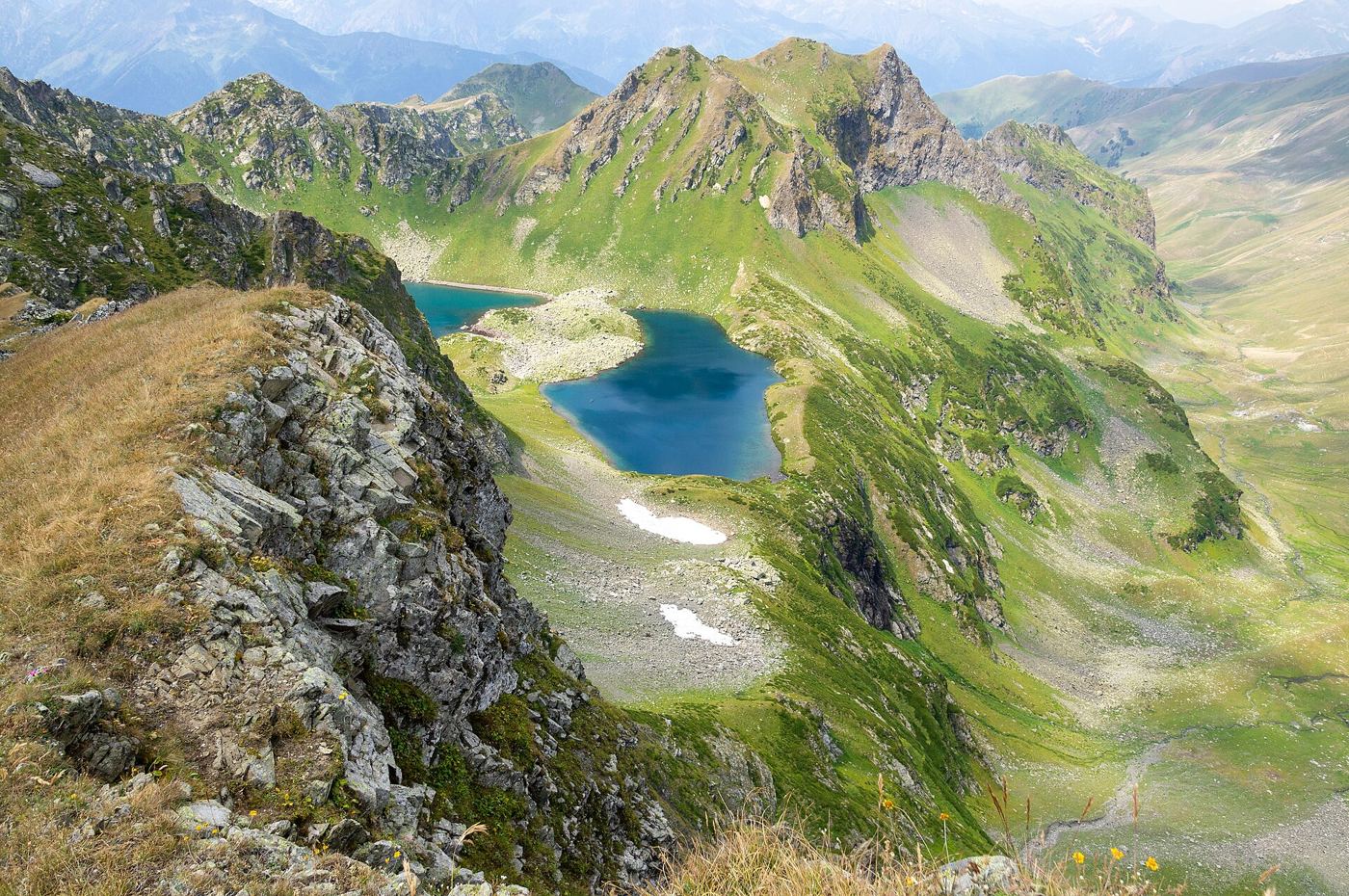
New Lakes Appear Where Mountain Glaciers Retreat
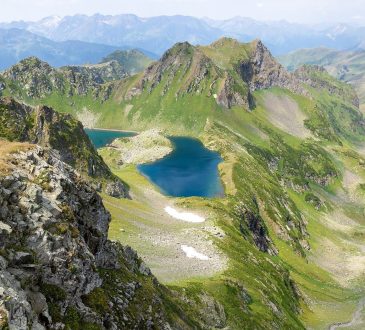
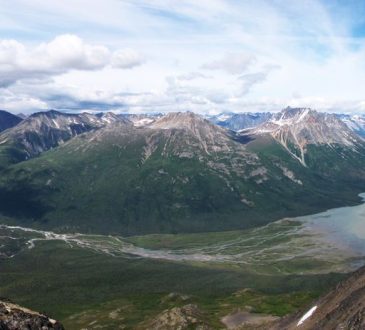
High in mountain valleys, glaciers that once filled entire basins are pulling back, and in their place new lakes are appearing. Meltwater gathers in hollows left behind by the ice, dammed by ridges of rock and debris the glacier dropped as it retreated. Some of these lakes are small and shallow, while others grow year by year into substantial bodies of water set against steep rock walls. For scientists, each new lake is both a sign of a warming climate and a new ecosystem in the making. The water is cold, low in nutrients and often milky with fine rock dust ground by the moving ice. Yet life arrives quickly. Algae colonise the water, insects follow, and birds begin to visit. Downstream, the lakes change how rivers flow, storing meltwater in spring and releasing it more slowly through the summer, which can help farms and towns that depend on glacial rivers for drinking water and irrigation.
What the Evidence Shows
The new lakes also bring risks that mountain communities and researchers are learning to manage. A lake held back by a loose wall of debris can drain suddenly if the dam fails, sending a flood down the valley with little warning. Scientists now monitor the largest and fastest-growing lakes with satellites and field surveys, mapping which dams are stable and which are at risk. Some governments have built early-warning systems and, in a few cases, have lowered lake levels by digging drainage channels through the debris. At the same time, researchers are studying how the lakes affect the glaciers themselves, since water at the glacier’s edge can speed up melting and undercut the ice. The picture emerging is of mountain landscapes changing faster than at any time in recorded history, with new lakes marking both the loss of ancient ice and the beginning of new habitats and hazards. Reporting and analysis from sources such as NASA track the same developments, and specialists following the new glacier lakes say the direction is now consistent across independent lines of evidence.
The Wider Context
Funding bodies are watching the new glacier lakes closely because the work sits at the junction of basic curiosity and practical return. Grant panels increasingly ask for a path from discovery to application, while researchers push back that the most valuable uses of fundamental science are rarely the ones written into the original proposal. The tension is productive when both sides stay honest about timescales.
What Happens Next
The long view on the new glacier lakes is that fields advance by accumulation rather than by single announcements. This result adds a solid, checkable piece to a structure many teams are building, and its authors have shared their data so the piece can be tested from every side. That is how the picture eventually becomes reliable enough to act on. You can follow related developments in our coverage of science.
It is also worth remembering how quickly the picture in this area has changed before. Positions that looked settled a few years ago have been revised as new data arrived, and the same humility is appropriate now. The strongest coverage of this subject, and the most useful advice, tends to come from sources that update their views openly when the facts move, rather than defending an earlier position long after it has stopped fitting the evidence available.