
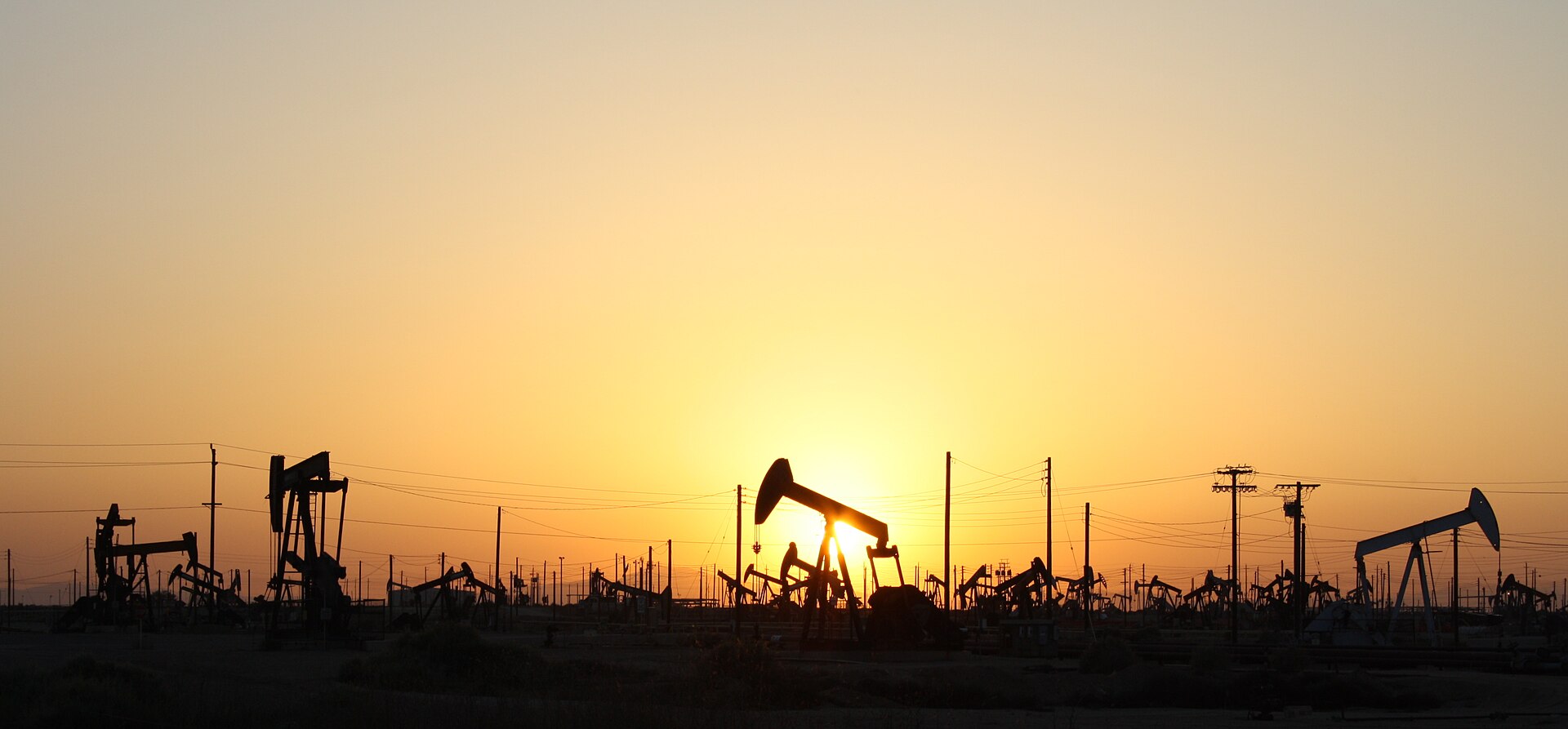
Why a Resource Boom Can Hurt Exports: Dutch Disease Explained
When economists warn a government about Dutch Disease, they are not predicting doom; they are describing a mechanism. Money from a resource boom flows in, the currency rises, labour and capital migrate toward the booming industry, and the rest of the tradable economy is squeezed from two directions at once. Understanding the mechanism is the first step to managing it.
Two channels do most of the damage, and they reinforce each other. Through the spending channel, resource income raises demand and prices inside the economy. Through the resource movement channel, the booming sector pulls scarce engineers, drivers and construction workers toward itself by paying more. Manufacturers face higher costs and a stronger currency simultaneously, which is why the squeeze can be so severe.
Examples from around the world
It is important to note what Dutch Disease is not. It is not an argument that resources are a curse in themselves, nor proof that every manufacturing decline during a boom is caused by the exchange rate. Technology, global competition and domestic policy all shape industrial fortunes. The concept identifies one specific pressure, currency appreciation combined with resource competition, that policymakers ignore at their peril.
The wider economic picture is explored in this related article for more on the forces reshaping exporters.
Can governments prevent it?
Ultimately, Dutch Disease is less a disease than a diagnosis. It names the transmission route, through the exchange rate and the labour market, by which a windfall can weaken the broader economy, and in naming it, gives governments a chance to interrupt it. The Netherlands recovered, Norway planned ahead, and other resource economies continue to learn, sometimes the hard way, that the hardest part of a boom is managing it.
History suggests the moment of maximum danger is not the boom’s beginning but its maturity, when the windfall has come to feel permanent. Budgets are written as if high prices will continue, public employment expands, private borrowing rises, and the non-resource economy’s decline is dismissed as the natural death of uncompetitive industries. It is at exactly this point that a price fall becomes catastrophic rather than merely painful, because every part of the economy has adjusted to income that has suddenly halved. The Dutch Disease literature, read carefully, is largely a plea to resist that feeling of permanence. Commodity prices are cyclical by nature. Building a state, a budget or a national industry on the assumption that this cycle will be the first in history not to turn is the one error every cautionary example shares.
How the squeeze spreads through an economy
It is also possible for the disease to arrive without any discovery at all. Large inflows of foreign aid, a surge in remittances from citizens working abroad, or a boom in a single agricultural export can produce the same currency pressure and the same squeeze on other exporters. Economists have applied the framework to tourism booms that price out local manufacturers, and to capital inflows following financial liberalisation. This generality is part of the concept’s durability. Whenever one source of foreign earnings grows much faster than the rest of the economy, the exchange rate transmits that success to everyone else as a cost. Recognising the pattern in its various disguises helps policymakers respond early, when the measures that work, saving the inflow abroad, phasing its spending, supporting the squeezed sectors’ productivity, are still cheap and politically feasible, rather than after industrial capacity has been lost and the argument has become about blame instead of prevention.
The lessons of Dutch Disease
Seen from the perspective of an ordinary worker, Dutch Disease is ultimately a story about jobs that move and jobs that vanish. Boom jobs are visible, well paid and celebrated; the manufacturing and farming jobs lost to a strong currency disappear quietly, one redundancy at a time, in towns far from the resource fields. Because the losses are diffuse and the gains concentrated, democratic politics tends to underweight them, which is why economists argue for rules, funds, spending limits and transparency requirements that bind governments before the boom’s politics take hold. A rule adopted in calm times can protect a factory town in euphoric times. That, in the end, is the practical heart of the whole literature: not pessimism about resources, but respect for how hard it is to make wise decisions in the middle of a windfall, and a preference for making as many of those decisions as possible in advance.
Readers who want to explore the subject further can visit the World Bank, where its country studies document what happened to farmers and manufacturers during past booms.


