The New Moon Race Is a Logistics Contest
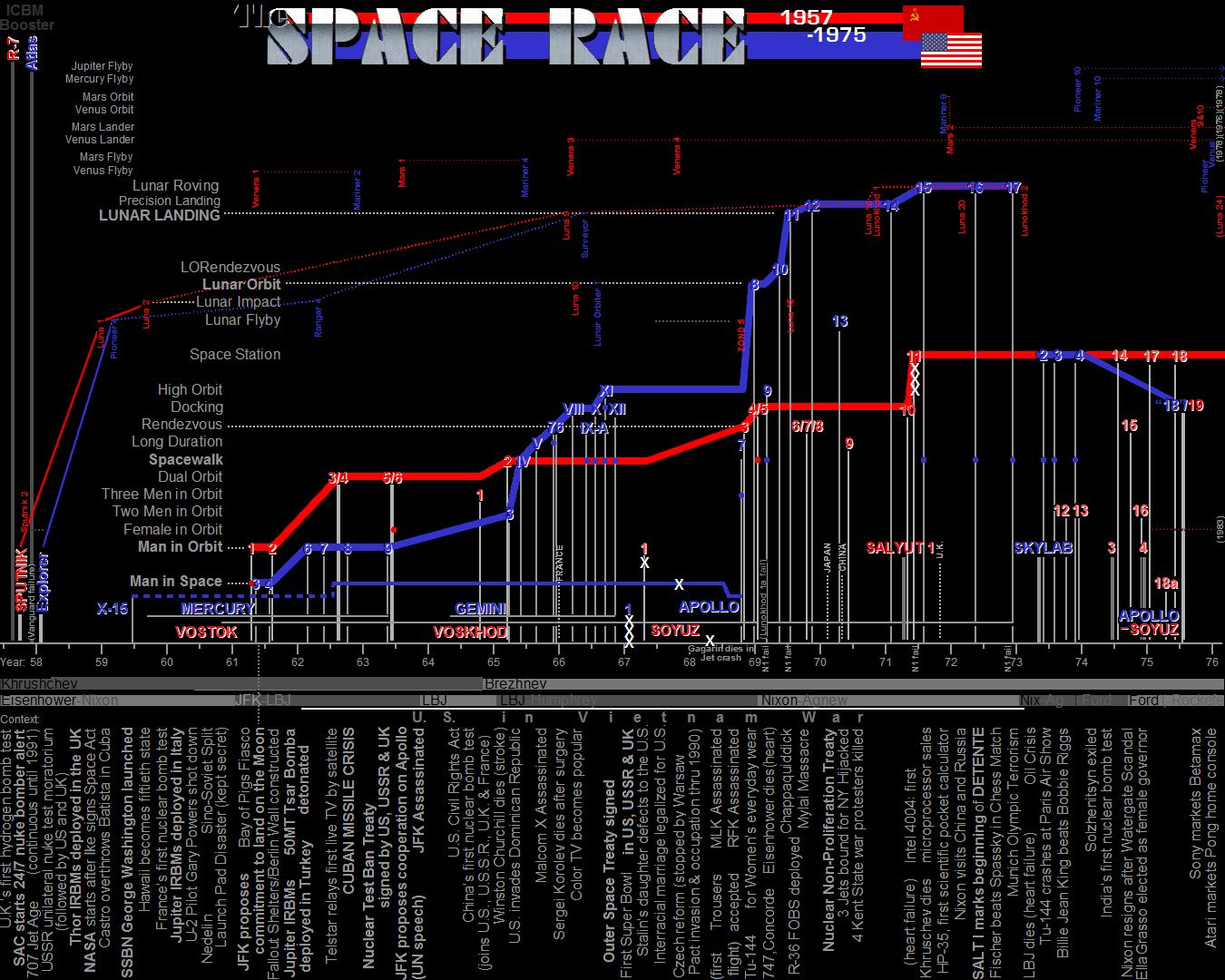
Half a century after Apollo, the Moon is crowded again — but the character of the race has changed. The contest now is less about planting a flag first and more about who can land reliably, often, and eventually stay: robotic landers from private companies, crewed programmes from national agencies, and a queue of missions targeting the lunar south pole. Readers of space and science coverage are watching logistics, not just launches.
The south pole is the prize because of what sits in its shadowed craters: water ice. Water means drinking water and breathable oxygen for crews, and — split into hydrogen and oxygen — rocket propellant made on the Moon itself. Whoever learns to use local resources first changes the economics of everything beyond Earth orbit.
Landers, Rovers and Hard Lessons
Recent years have delivered both triumphs and tipped-over landers. Commercial missions under programmes such as NASA’s Artemis programme pages contracts have shown that small companies can reach the surface, while also showing how unforgiving the last kilometre is: sensors confused by dust, legs meeting slopes at bad angles, radios pointing the wrong way. Each failure has been unusually public, and unusually instructive.
The crewed side moves more slowly and more cautiously. New spacesuits, a lunar-orbit station, and landers derived from the largest rockets ever flown are all in development, with schedules that slip in the familiar way of ambitious engineering. Underneath the delays, though, an industrial base is forming — the same suppliers, standards and launch cadence that a permanent presence would need.
What Success Looks Like This Time
A Crowded Field of Flags and Firms
The manifest of upcoming lunar missions reads like a new space age in miniature: national agencies from the United States, China, India, Japan and Europe; commercial landers carrying paying customers’ instruments; rovers, hoppers and even a planned lunar communications network. China has announced crewed lunar ambitions on a similar horizon to the American-led programme, which adds the familiar accelerant of rivalry to the slower virtues of cooperation — international partners are woven through the Artemis architecture precisely to make the effort durable.
The science case rides along with the strategy. The far side offers the quietest radio environment in the inner solar system for telescopes; polar ice is a laboratory of early solar-system chemistry; and a sustained presence turns the Moon into a testbed for the Mars toolkit — habitats, life support, surface power. Every cargo lander that succeeds lowers the perceived risk of the next. The Moon race this time is not a sprint to a footprint. It is a competition in reliability, cadence and staying power — the unglamorous virtues that actually settle frontiers.
Apollo was a visit. The stated goal now is a rhythm: regular cargo drops, science stations that overwinter, and infrastructure — power, communications, navigation — shared between missions and nations. It is less cinematic than a single giant leap, but it is how frontiers actually open: not with a footprint, but with a supply chain.